June 13, 2025


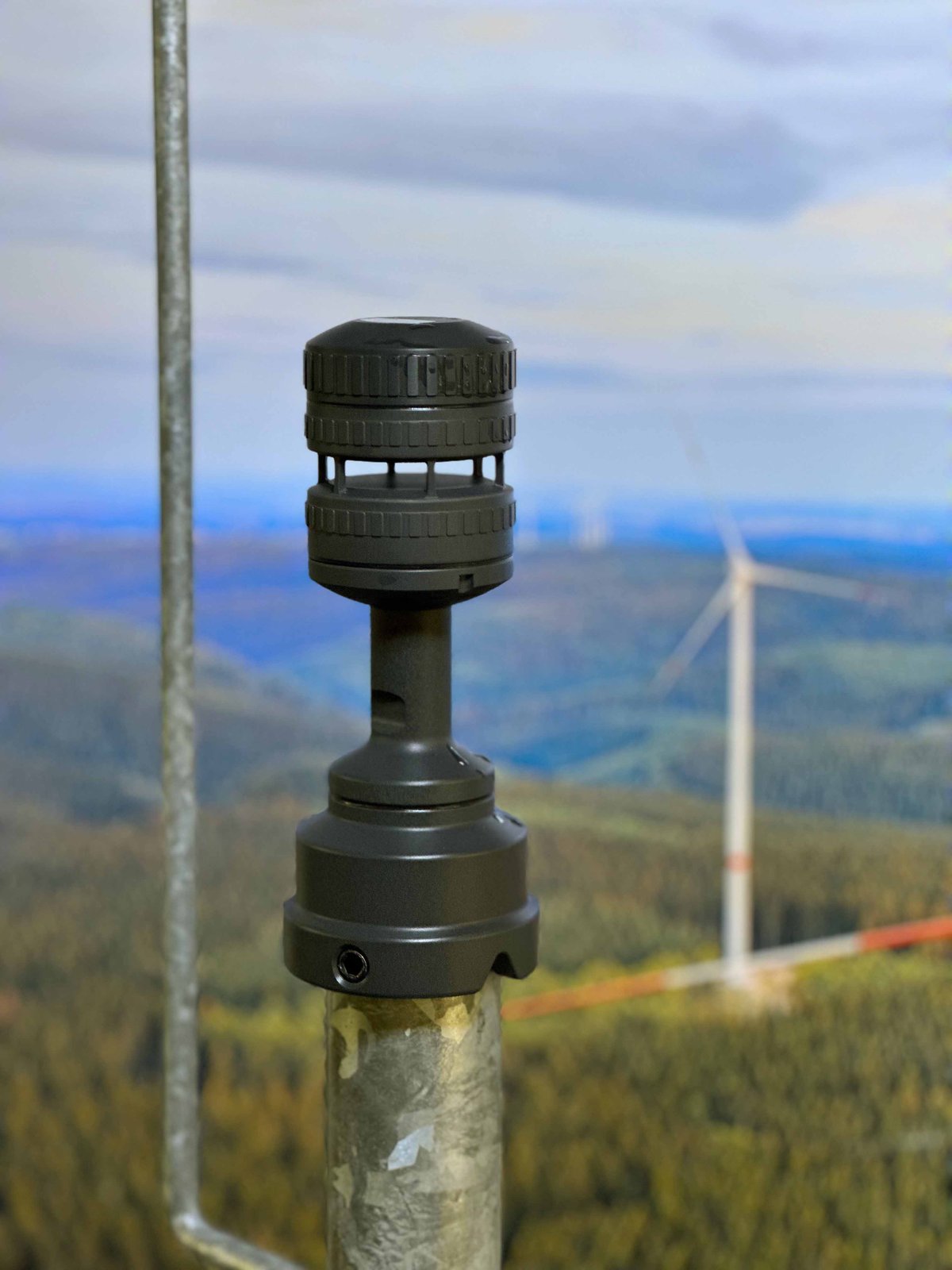
Excerpt
PES: Thanks for taking the time to speak with us today, Daniel. Can I start by asking, with wind measurement technology being a competitive space, what differentiates FT Technologies’ sensors from other ultrasonic wind measurement solutions on the market?
Daniel Reid: FT Wind Sensors are exclusively powered by Acoustic Resonance (ACU-RES®) Technology, the proprietary invention of FT Technologies. This acoustic resonance measurement method differs significantly from the Time-of-Flight (ToF) principle used in other ultrasonic wind measurement solutions on the market.
The ToF principle works by measuring the transit time of ultrasonic pulses between transducers; one transmitting the pulse and the other receiving it. The system calculates the difference between the transit times with and against the wind to determine airflow characteristics. In contrast, the acoustic resonance method uses a resonant cavity where sound waves oscillate back and forth. As the wind passes through the cavity, we measure the phase shift of the standing waves. This ensures improved data integrity within a compact and robust design, providing high and exceptional resistance to vibration and external interference, making it ideal for harsh environments.
PES: In a crowded field of wind measurement technology, what sets your unique acoustic resonance sensors apart in the ultrasonic space?
Daniel Reid: Our acoustic resonance technology operates inside a small cavity, amplifying the usable signal while significantly reducing external acoustic noise interference. Other systems, ToF for example, can require extensive signal processing, averaging, or Sound precision: acoustic resonance sets the tone for wind sensing filtering to manage noise in variable weather conditions. Performance often degrades over distance or is disrupted by adverse conditions such as heavy rain, snow, or pollution. A critical performance metric distinguishing Acu-Res® is the Signal-to-Noise Ratio (SNR).
To clarify, the signal refers to the usable ultrasonic wave for measurement, the noise is any unwanted disturbance, acoustic, electrical or environmental, that interferes with the signal. A high SNR ensures clear signals, resulting in accurate and stable measurements. Conversely, a low SNR can lead to noisy data, errors and dropouts in storms. This makes SNR a decisive factor in selecting wind sensors, especially for demanding environments or key applications.
PES: With the increasing use of AI and machine learning in wind farm operations, do you foresee a future where wind sensors play a more predictive role in turbine performance optimisation?
DR: As AI and machine learning become central to wind farm optimisation, the quality of input data is more crucial than ever. Predictive models are only as good as the data they rely on; therefore, having accurate and reliable wind measurements is indispensable. That’s where our sensors, built for reliability, can make the difference, producing accurate real-time data that can be readily used for control operations.
PES: As analytics become more prevalent in wind energy, how do you support seamless integration with SCADA systems and predictive maintenance solutions?
DR: FT wind sensors feature an array of user configurable settings and we work closely with our customers to facilitate seamless integration into their SCADA systems.
We offer both a digital RS485 interface and an analogue 4–20 mA current loop option. FT sensor’s real-time accurate data and new features like Advanced Sensor Diagnostics, support AI-driven systems in tasks like power curve monitoring, identifying performance issues or enabling proactive maintenance that helps reduce downtime.
To read beyond this excerpt, download the full interview here.

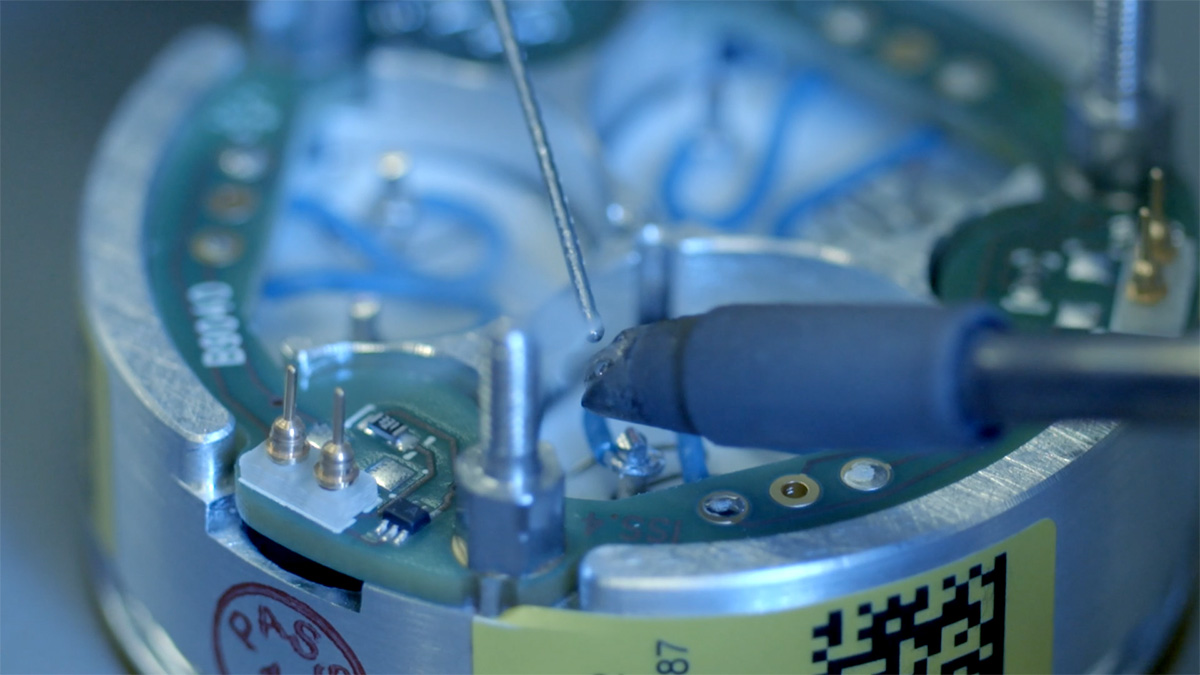
Acoustic Resonance (Acu-Res®) Technology
FT Technologies products are powered by our exclusive Acu-Res® technology. This enables an accurate wind sensor in a small form-factor which is inherently immune to physical vibration and acoustic noise. Discover how ultrasonic wind sensors work and why Acu-Res® technology outperforms.